Cell to Cell Video – Changing Modes

Last summer I trekked up to the Connecticut woods with Changing Modes for the Cell to Cell video shoot. The band had a ball making the video and everyone was really happy with the final product. Special thanks to Paul Rondeau for the concept, location, and the direction of the video. I have to admit, robot-drumming was more challenging than I anticipated. I got together with Grace from Changing Modes, and her boyfriend TJ and we put together a short behind the scenes video from the separate footage that TJ shot.

Here is the behind the scenes:


And here is the final rendition of the video:


Musician Earplugs

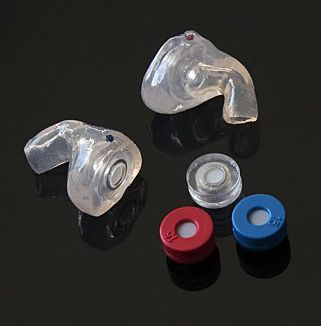
Musician Earplugs with Etymotic Research Attenuators

Twelve years ago, I bought a pair of custom molded musician earplugs with Etymotic Research filters. I remember liking them a lot because they were comfortable and evenly reduced low, mid, and high frequencies. As luck would have it, I only wore them for a few years because I carelessly lost them after playing a show in upstate New York.

Since then I have tried every non-custom type of earplug. The foam plugs turned sound into mush. Hearos were a little better, but were not comfortable to wear for long periods of time. I’ve used in-ear monitors, which helped manage the sound. However, without that technology, I constantly found myself playing without ear protection during rehearsals and gigs.

A few months ago, I decided it was time to purchase another pair of custom musician earplugs. Since I was happy with my first pair of ER filters, I didn’t have to spend time researching what I wanted. However, I did have to decide between ordering a do-it-yourself “impression kit” for the ear molds or having professional audiologist do it.

I decided to go to an audiologist because I was also way overdue for a hearing test. It’s more expensive to go this route but Etymotic Research claims to get more accurate molds from the pros.
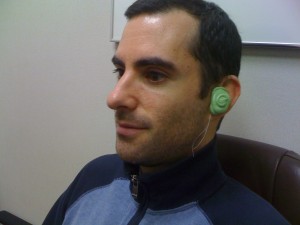
Ear Mold for Custom Fit Earplugs

Musicians Earplugs have interchangeable attenuator buttons that come in three levels–9db, 15db, and 25db. I went with the 9db and the 15db–both seem to cut down enough of the dangerous levels. If I’m singing and playing drums I need the 9db so I can hear myself better. For everything else I’ve been using the 15db. The molds plus the filters cost about $180 for the pair. Add another $40 if you want to get more than one pair of filters. If you’ve never wore them but are interested in getting a pair, then I recommend the 15db as a good baseline.

Here’s the link to their site: http://www.etymotic.com/hp/erme.html

Playing with PJ Loughran

While I was in Chicago on tour with Changing Modes, I got a chance to play with PJ Loughran, a good friend and talented singer-songwriter. I have been working with PJ and bass man John McFaul for almost ten years. Although John and I laid down tracks for PJ last winter, this was the first time PJ and I were reunited on stage since he moved to Chicago a few years back. PJ was a little reluctant to play without a rehearsal –but after some coaxing and a pre-gig warm up, PJ was game. The song we performed in the video below was from PJ’s first album release named “Grenadine.” It’s a beautiful album and this song is one of my favorites from it.

La Bomba de Tiempo en Buenos Aires

While we were in Argentina, Sarah and I had the pleasure of checking out La Bomba de Tiempo at Konex. This percussion ensemble lives up to it’s name. They combine elements of afrobeat, afro-cuban, samba, fusion, tribal, and acid jazz to build their rhythmic explosions.

Here is the interesting part: It’s all improvised compositions that are led by a single conductor. The conductor uses hand signals to communicate with the ensemble to create the piece in real time. For example, pointing to a section and making a fist would mean to stop playing. The conductors also decide volume, tempo, type of rhythms, and just about anything else they want. Regarding the rhythms, it seems they use hand numbers for different style beats. They had a keyboard player join in later in the set and the crowd was happy. This video was from another night, but it sounds like the same keyboard player.

Another interesting element is that there are multiple conductors. Each conductor works for about three pieces and then another conductor takes over the helm. When the conductors are not conducting they play in the ensemble. Needless to say, each conductor has their own style so we got a taste of everything. Towards the end of the set, the ensemble invited the crowd to join in with (clave) hand claps and body movements. Here is a video I took during the first set. We loved every minute.