
Depending on your performance, a live gig can either be bliss or torture. Some nights we are just “in the zone” and other times nothing seems to go right. As musicians, we know there are lots of external variables that can lead you in either direction–quality of sound system, being able to hear yourself, drunk sound engineer, etc. Although some of these variables might be out of our control, here are a few tips that can help keep us in the zone.
Before the Gig
1. Multiple full band rehearsals. In big cities, where rehearsal spaces are overpriced and empty beer cans are the main ambiance, it’s no wonder we try to skimp rehearsals. As a general rule for bands that play original material, I like to have no less than three full band rehearsals with the material and set list being established before the first rehearsal. If you’re working on new material I recommend you allocate separate rehearsal time for that. For a Changing Modes show, we usually allocate three or four rehearsals for new material and then another three or so with the set-list. If you’re a singer-songwriter working with hired pros the rule of three might be challenging but well worth the effort. Try to book the rehearsals as close to the gig as possible.
2. Allocate time to focus/meditate the day of the gig. If you’re not on tour and are playing at home be prepared to have many distractions–family, pets, girlfriends, boyfriends, internet, video games, etc.. It’s important to relax well before the show. Shut down the phone, turn off the computer and relax. Visualize the performance and the challenge that lies ahead.
3. Always ask for a sound check. Some venues will offer them and others won’t. Sound checks are mandatory in most upscale venues and if you are playing one you should prepare a stage plot. However, if you’re playing dives sound checks might be harder to come by. As another rule of thumb, no matter what level the venue is, always ask for a sound check. If they won’t agree to it request a line check (checking output on all cables). Some venues will only sound check the first band, while other venues ask for money. Since every stage (or dive bar) sounds different, acclimating before the show is vital and is worth the investment.
During the Gig
4. Making sure it sounds good on stage (more vocals in the monitors please.) Your band will sound different during performance time than it did during sound check. It’s good practice to make sure everyone is comfortable after playing the first song. Spending the time to tweak the stage sound after the first song is a necessary evil.
5. Making sure it sounds good in the audience. Too many times bands sound amazing on stage but the audience hears something very different. This is why pro bands tour with their own sound engineer (and some with their own sound systems). Until you get to that level, allocate someone to actively listen in the audience and give them authority to manage the sound engineer. Choosing this someone might be a little challenging since they should know your sound and have good ears. A musician friend or someone that has a vested interest in your music are both good choices.
6. Engage the Audience. With the exception of Shoegazers
7. Go with the Flow. Live performances are never perfect. You never know if someone will break a guitar string, forget lyrics, or count off the wrong song. Your job as an entertainer is to just go with the flow. Inhibit reacting negatively to anything that could throw you off. It’s better to react as if you were expecting it. Think of these flubs as opportunities to connect with the audience.
8. Tell people who you are. There will always be people in the audience that don’t know anything about the band. Share some info with the audience. You can break the glass by sharing a personal story that involves the band members.
After the Gig
9. Work the room. NOW’s the time to mingle with the audience and try to get as many people to sign up on the mailing list. It’s a great opportunity for you to network, get feedback, and get fans.
10. Tip the Sound guy. Depending on the venue it might be a good idea to tip the engineer. Some venues allocate money from the door for this purpose, so make sure you ask first. If the engineer exceeded your expectations than you can still give him/her something. Five or ten bucks is still better than nothing and they will remember you for it.
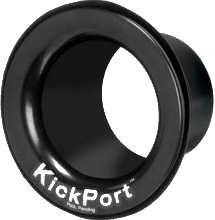 I needed to add some low end to my 20 inch kick drum so I decided to give the
  a try. For those of you not familiar with the KickPort, it’s a small plastic tube that gets inserted into the kick drum’s resonant head. Attached to the tube is a rubber flap that is used to seal the KickPort once it’s inserted. It’s claim to fame is that it boosts the kick drum in the same manner as a bass reflex speaker cabinet boosts low frequencies.